Destinations
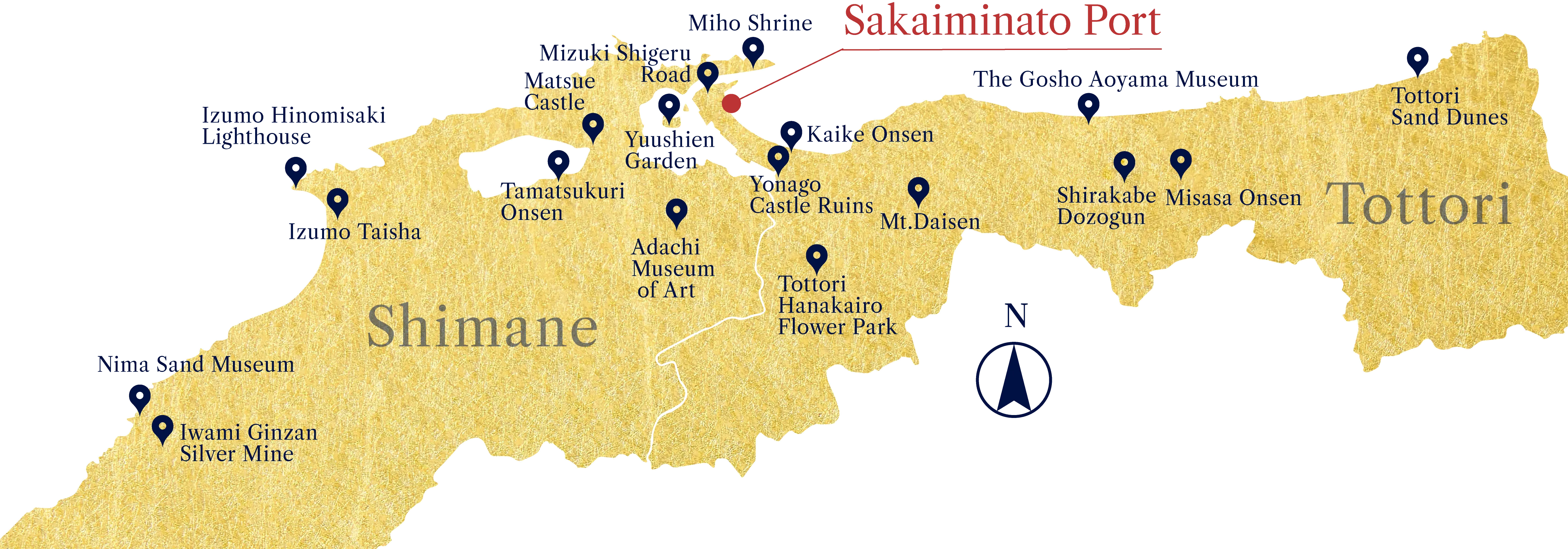
- Distance from Sakai Port
- Taxi
- Bicycle Rental
- *Distance, time and cost are approximate
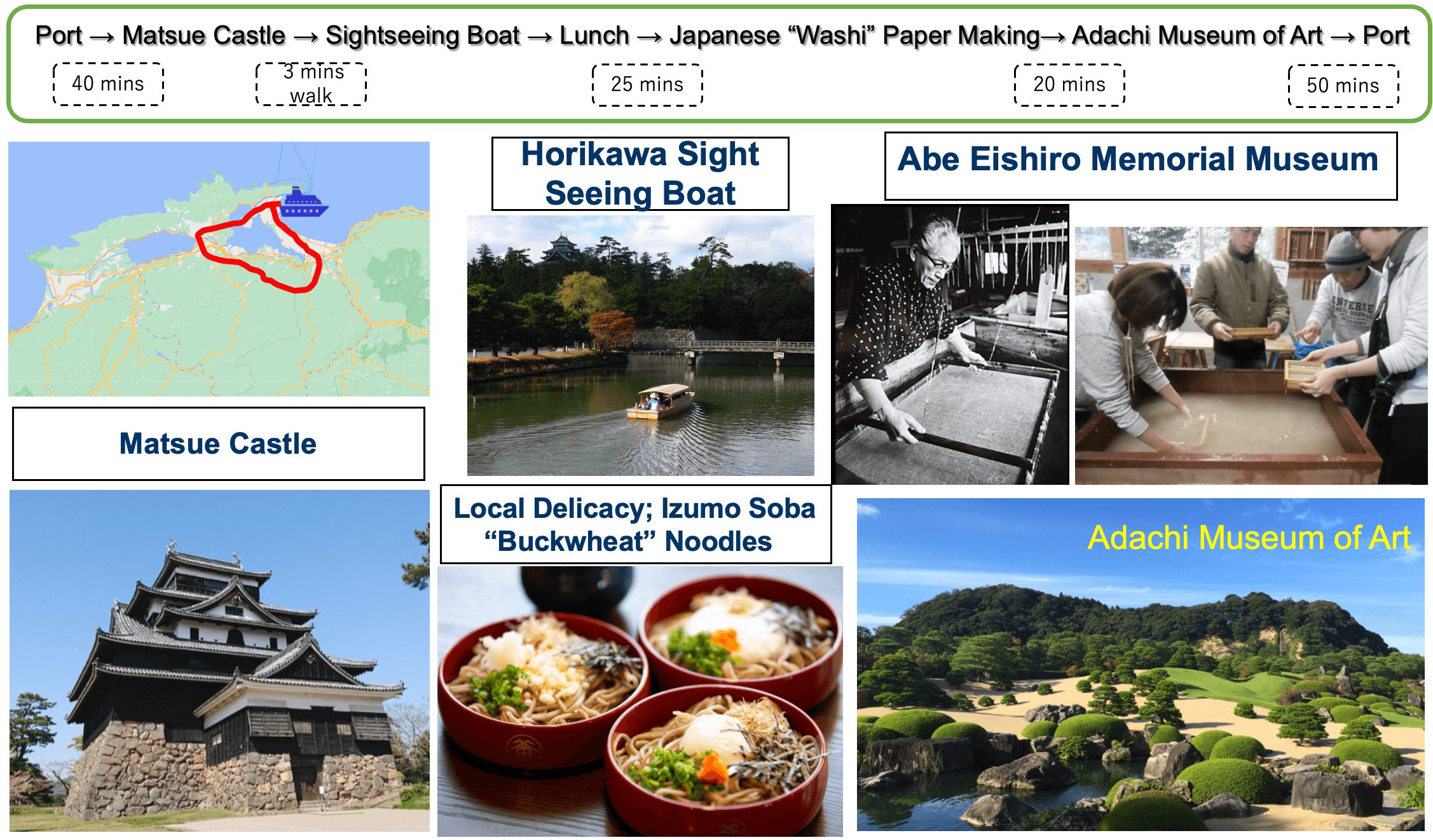
Adachi Museum of Art
- 35km
- 50mins / ¥10,000-13,000
- Order Request
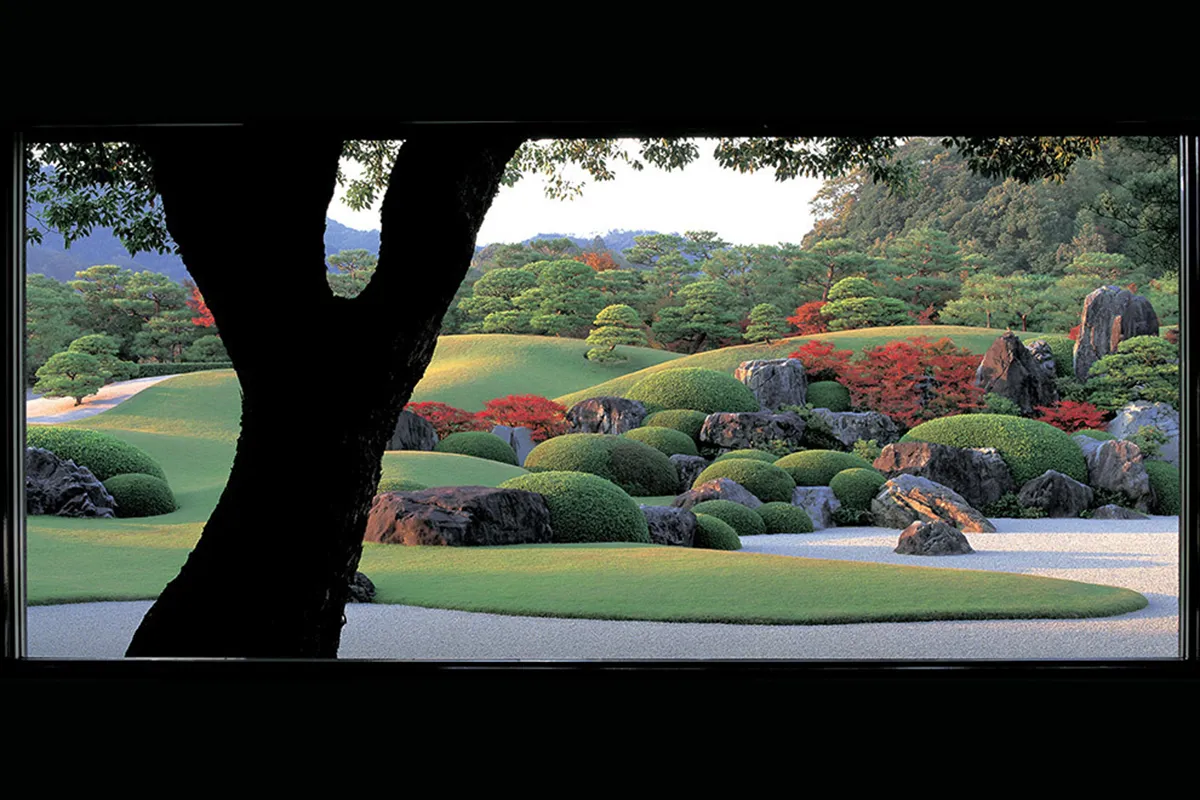
Located about 50 minutes from the port, the Adachi Museum of Art offers a world-class cultural experience.
It is renowned for its award-winning Japanese gardens, which have been ranked No. 1 in Japan every year since 2003 by Sukiya Living Magazine: The Journal of Japanese Gardening, as well as for its three-star rating in the Michelin Green Guide Japan.
Through large panoramic windows, visitors can enjoy breathtaking views of the garden from inside the museum, making it an ideal destination in any weather and suitable for all ages.
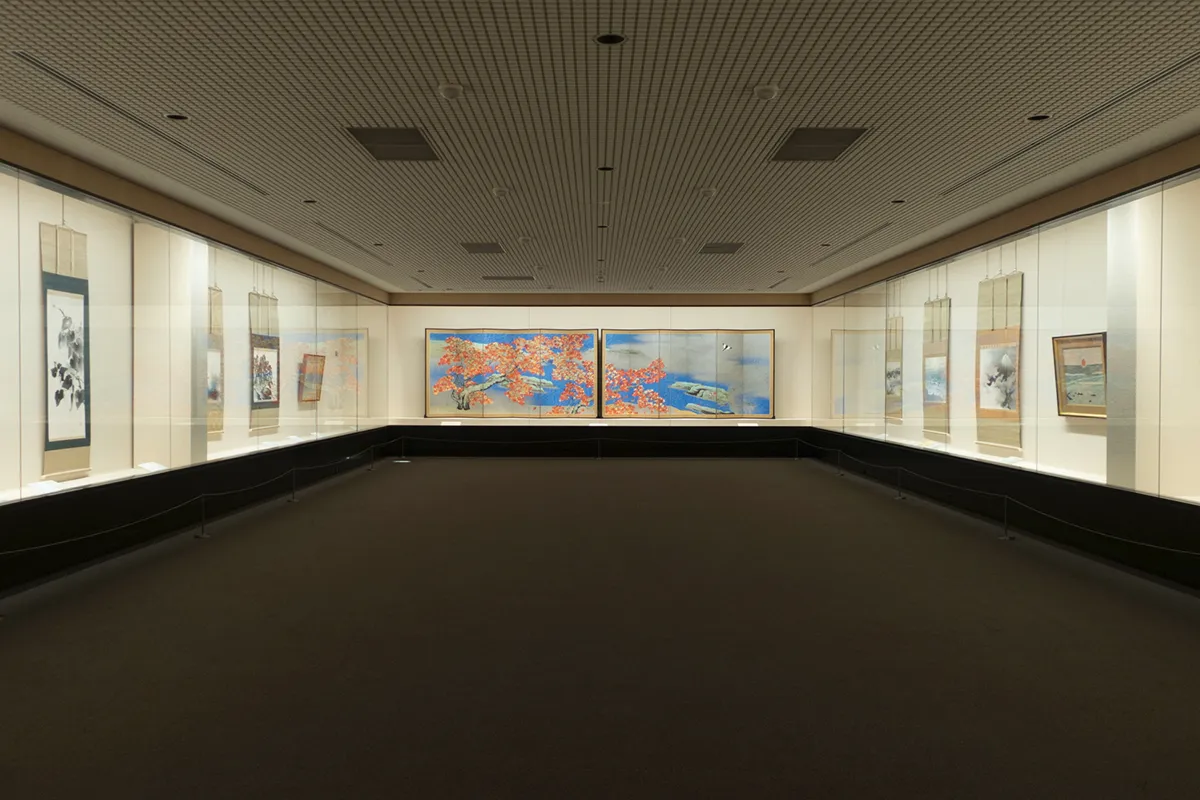
The museum also houses an outstanding collection of modern Japanese art, including works by Yokoyama Taikan, a leading figure in the Nihonga tradition.
In addition, the museum features a café where guests can enjoy drinks and meals while admiring the garden, making it a top choice for a relaxing and inspiring cultural experience.
Adachi Museum of Art
Adachi Museum of Art (official website)
Izumo Taisha
- 70km
- 90-120mins / ¥20,000-26,000
- Order Request
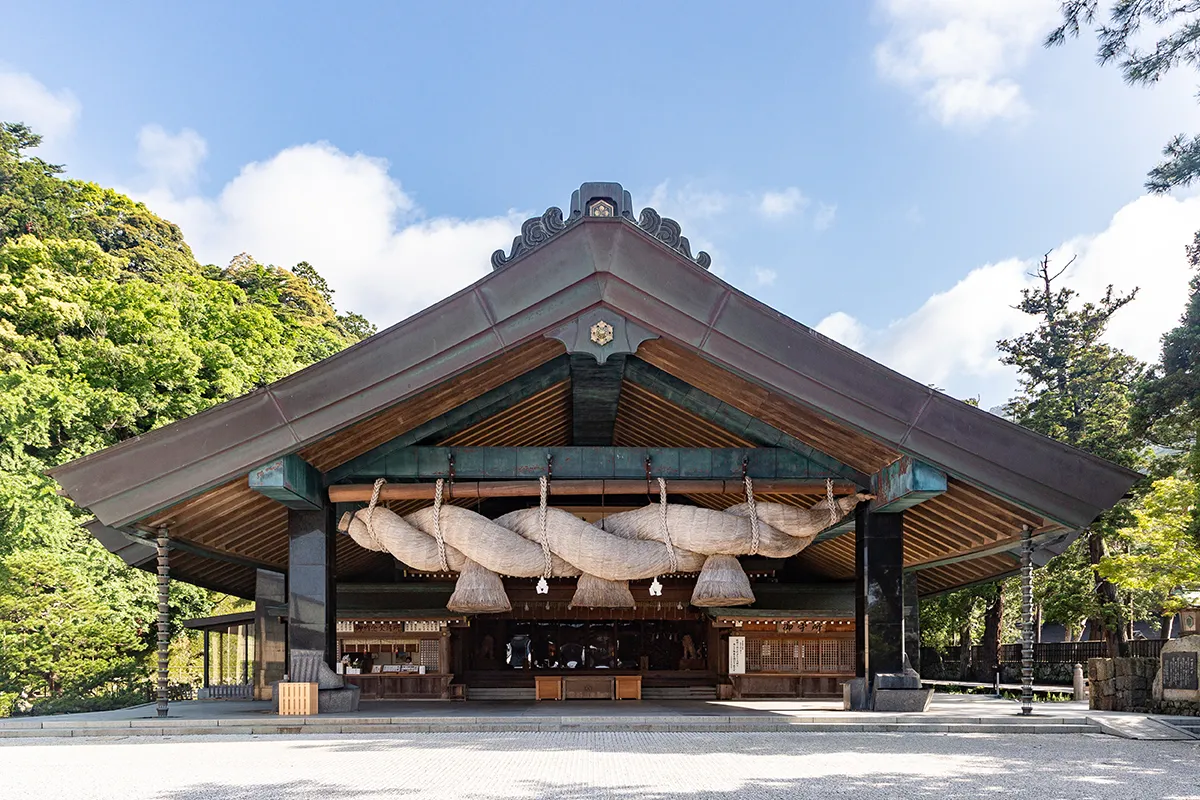
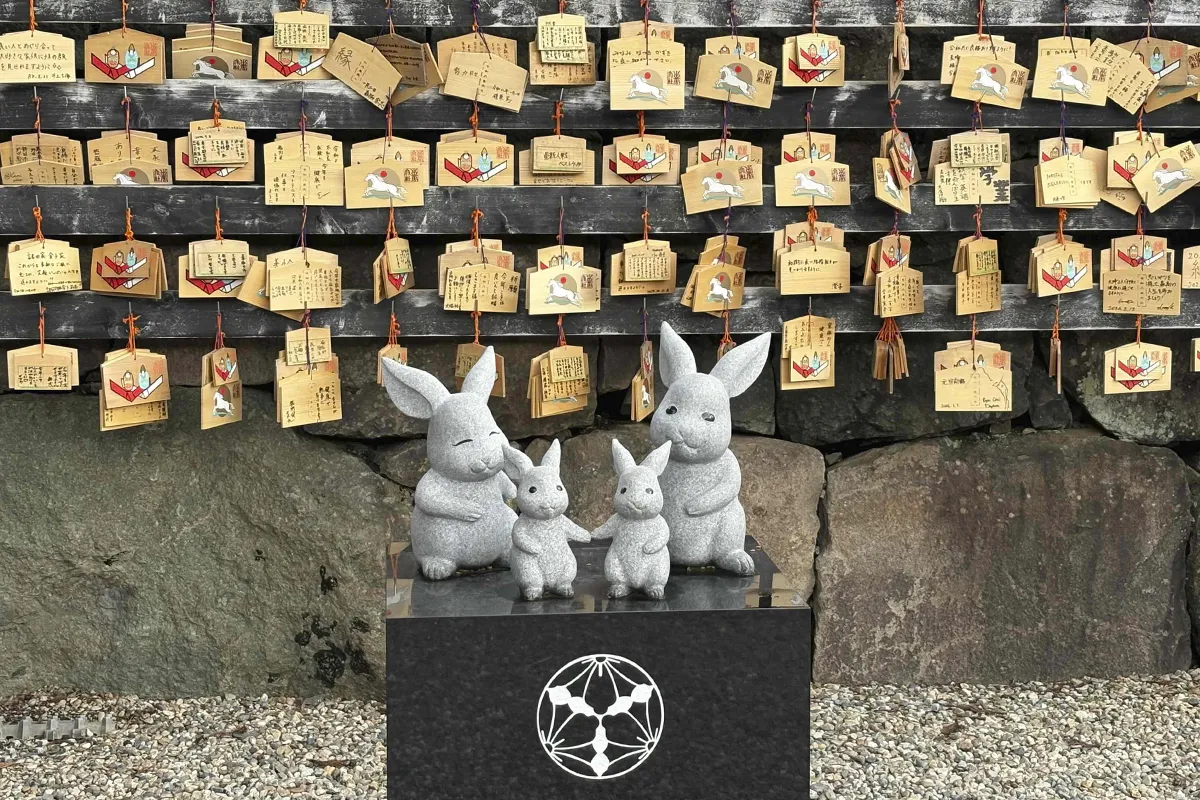
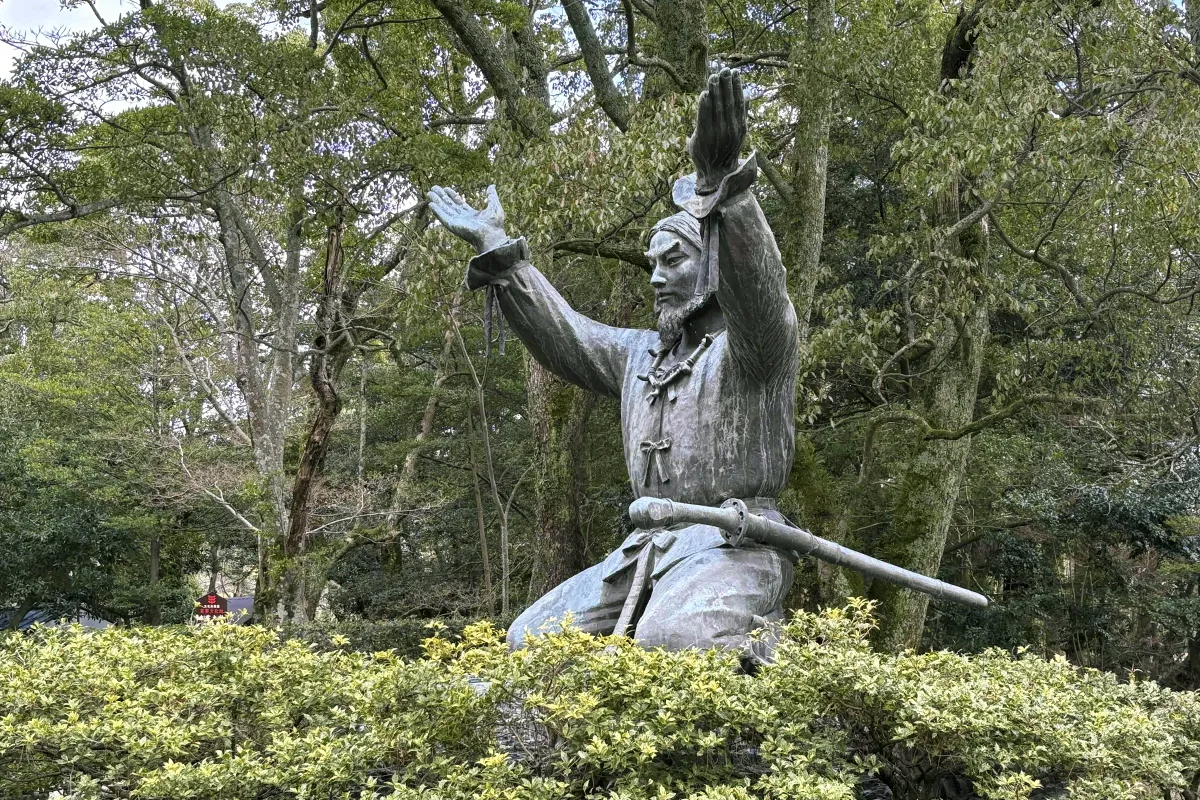
About ninety minutes west stands Izumo Taisha Grand Shrine, one of Japan’s oldest and most sacred shrines, dedicated to Ōkuninushi, the deity of relationships and connections.
This region is often called “The Land of the Gods”, because many of Japan’s oldest myths are rooted here.
According to mythology, Ōkunínushi, the god of nation-building and creation, once ruled the human world.
Amaterasu, the sun goddess, later asked him to yield his land to her descendants.
Ōkuninushi agreed — on the condition that a magnificent shrine would be built in his honor.
At that time, Amaterasu blessed him with the divine power of matchmaking, thus making him the deity of human connections.
Even today, Izumo Taisha is regarded as Japan’s foremost shrine for matchmaking and human relationships.
Izumo Taisha Grand Shrine
Izumo Oyashiro Shrine
Territory of the Gods Yokozuna and Izumo Taisha
National Treasure Matsue Castle
- 19km
- 35-50mins / ¥6,500-8,000
- Order Request
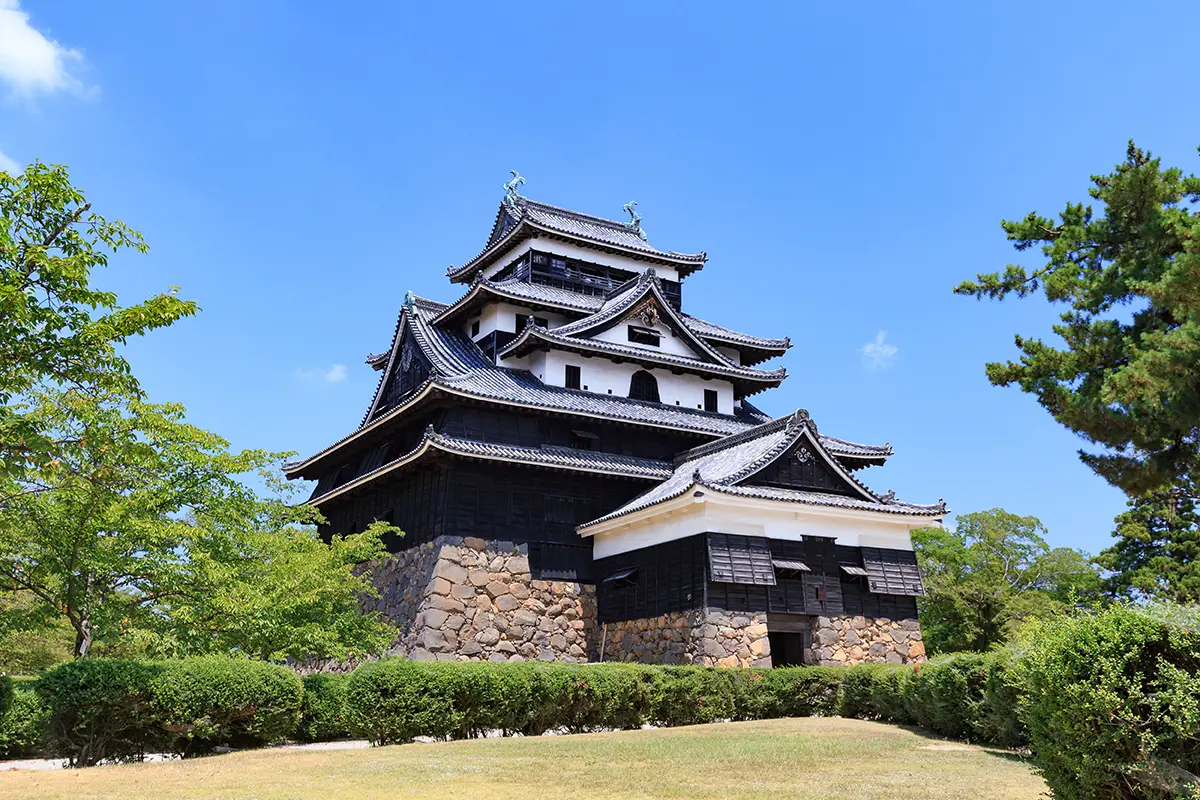
Just forty minutes from the port stands Matsue Castle, one of only twelve original castles remaining in Japan and a National Treasure.
The castle is surrounded by moats and historic samurai residences, and visitors can enjoy a scenic boat tour around the castle with lively songs and guided explanations from the boatmen.
Matsue, known as the “City of Tea and Sweets,” is one of Japan’s top three confectionery cities, along with Kyoto and Kanazawa.
Around the castle town, visitors can enjoy tea ceremonies, try making traditional Japanese sweets, and admire the stunning sunsets over Lake Shinji.
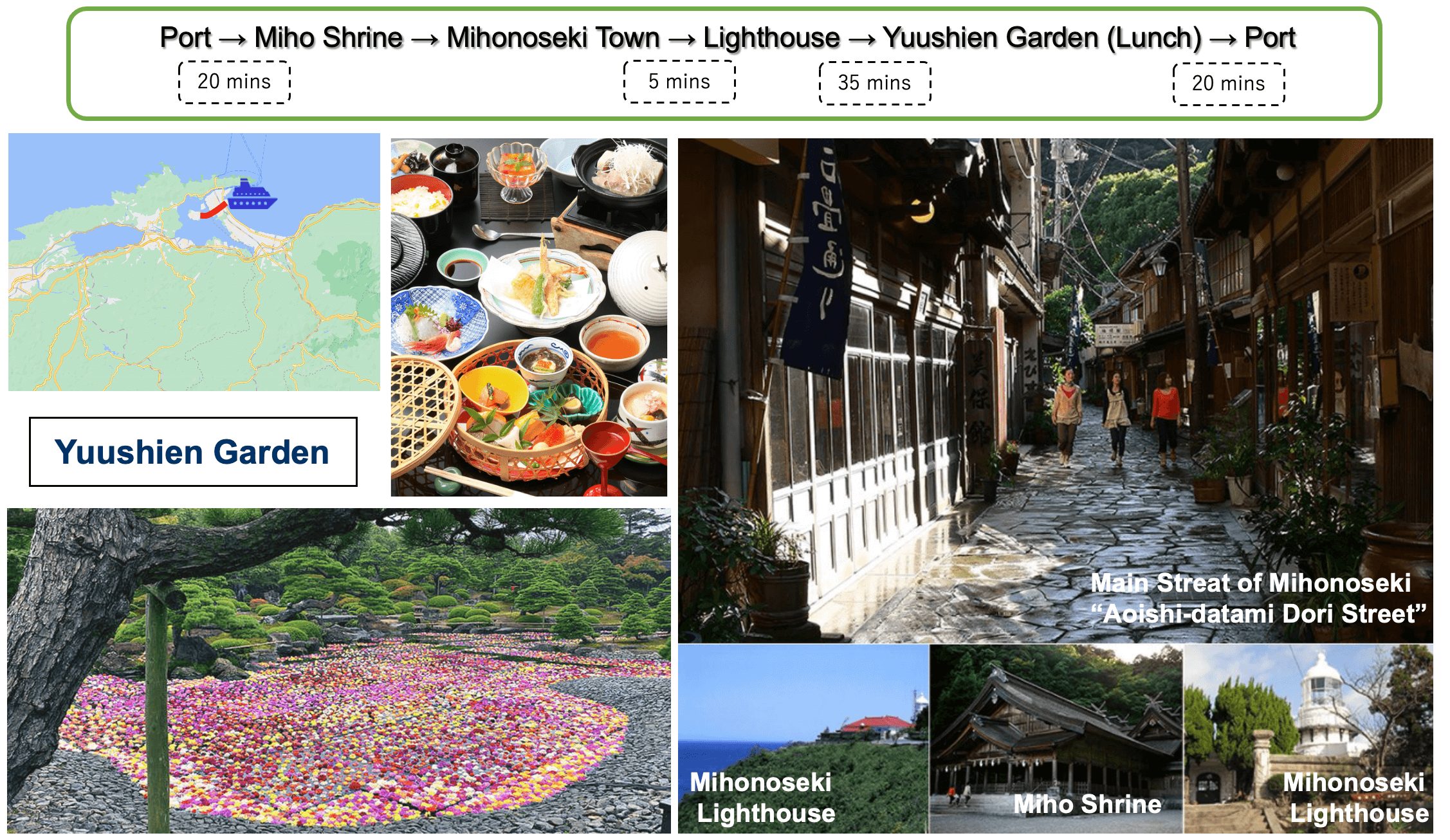
Yuushien
- 9.1km
- 15-20mins / ¥3,300-4,000
- Order Request
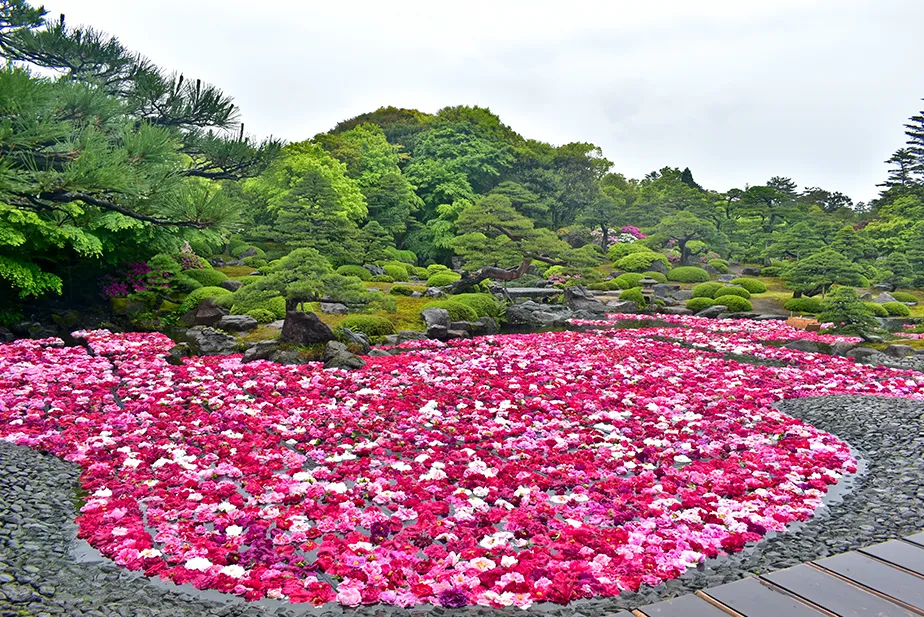
A traditional Japanese garden, Yuushien is most famous for its large, beautiful peonies and spectacular scenery. The
numerous restaurants within the garden offer magnificent views and cuisine made from Korean ginseng and other local,
seasonal ingredients.
Miho Shrine
- 20km
- 30-35mins / ¥6,000-8,000
- Order Request
Miho Shrine is an important Shinto shrine located in the historic fishing town of Mihonoseki, about 35 minutes from Sakaiminato Port.
The shrine is dedicated to Kotoshironushi-no-Mikoto, a deity associated with good fortune, business success, and safe maritime activities. He is also connected to Ebisu, one of Japan’s Seven Lucky Gods and the patron deity of fishermen and merchants.
Miho Shrine has a close relationship with Izumo Taisha, one of the most famous shrines in Japan. According to Japanese mythology, the god worshiped here is the son of the main deity of Izumo Taisha, so many pilgrims traditionally visit both shrines together.
The shrine buildings are designated as Important Cultural Properties of Japan. The main sanctuary has a rare architectural style called “Miho-zukuri,” where two shrine halls stand side by side under traditional cypress bark roofs.
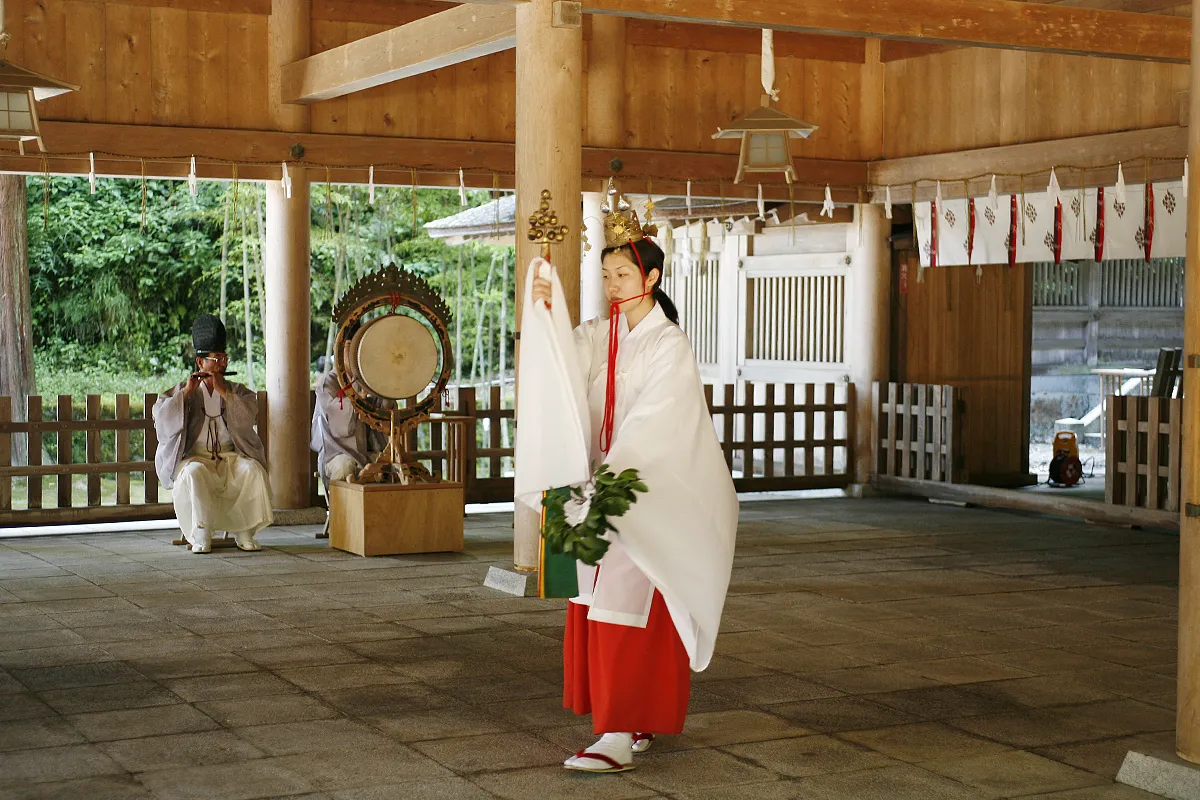
Miho Shrine is also known for its sacred Miko dance, performed by shrine maidens during traditional ceremonies.
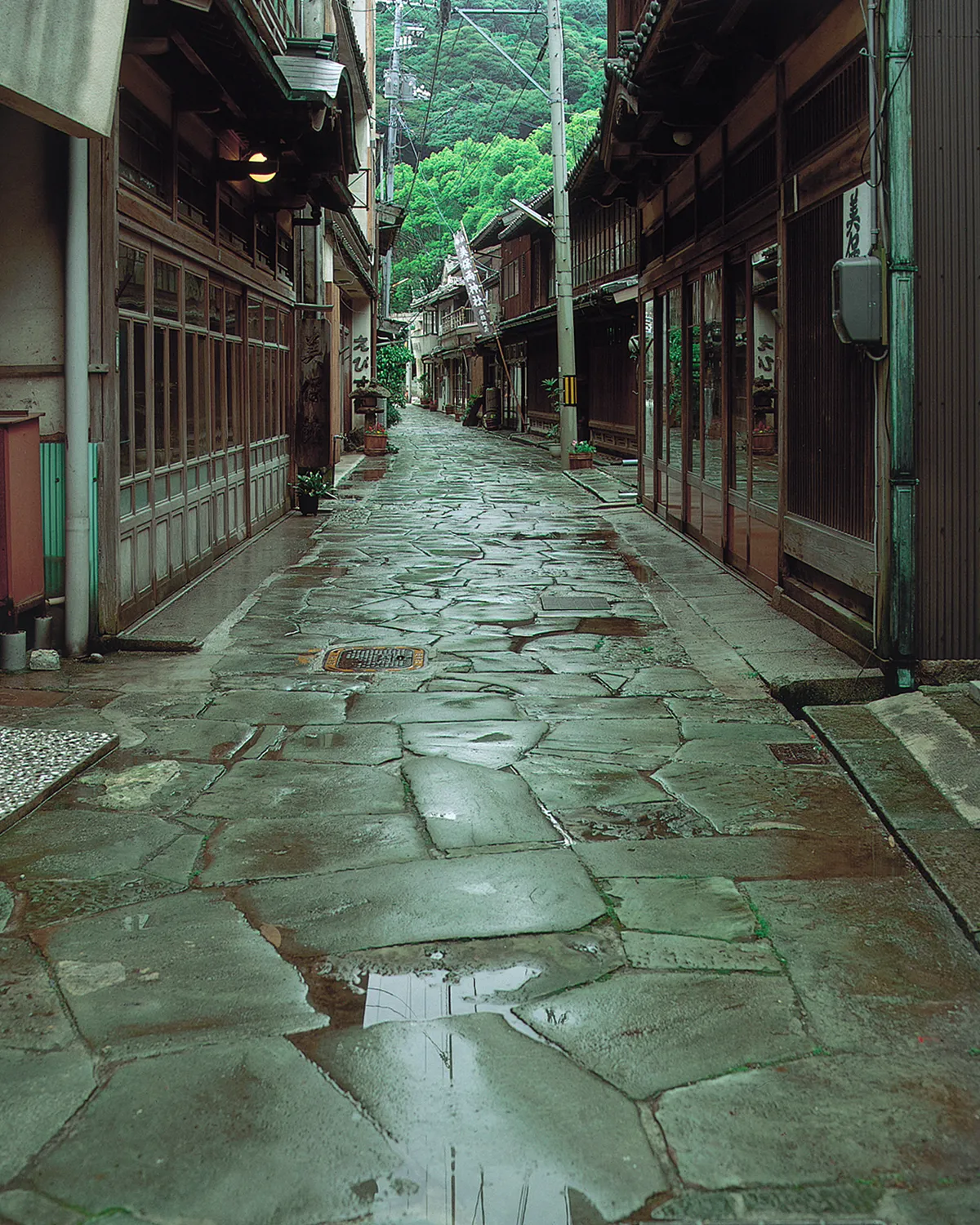
Just outside the shrine is Aoishidatami Street, or “Blue Stone Pavement Street.” This historic street was once the approach used by fishermen, merchants, and pilgrims visiting the shrine, and it still preserves the atmosphere of an old Japanese port town.
Surrounded by mountains and facing the Sea of Japan, Miho Shrine offers visitors a peaceful glimpse into Japan’s spiritual traditions and maritime culture.
- Distance from Sakai Port
- Taxi
- Bicycle Rental
- *Distance, time and cost are approximate
Mizuki Shigeru Road
- 2.5km
- 10mins / ¥1,800
- 10mins
- Order Request
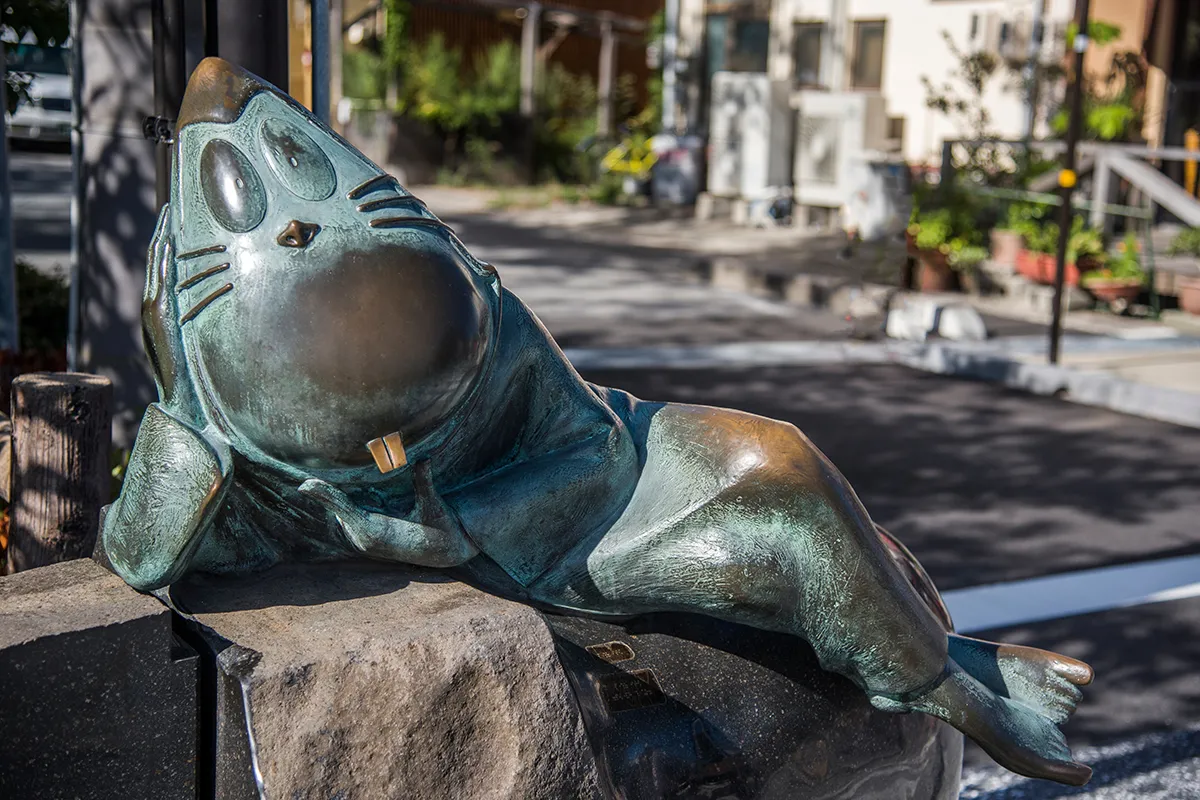
The Sakai Port is the hometown of the manga artist Shigeru Mizuki. There are a total of 178 bronze statues of “Yokai”
monsters, the main characters in Mizuki’s popular cartoon GeGeGe no Kitaro on Mizuki Shigeru Road. Visitors can
purchase “Yokai” goods and souvenirs, traditional San’in confectioneries as well as daily essential items in the nearby supermarkets and drug stores.
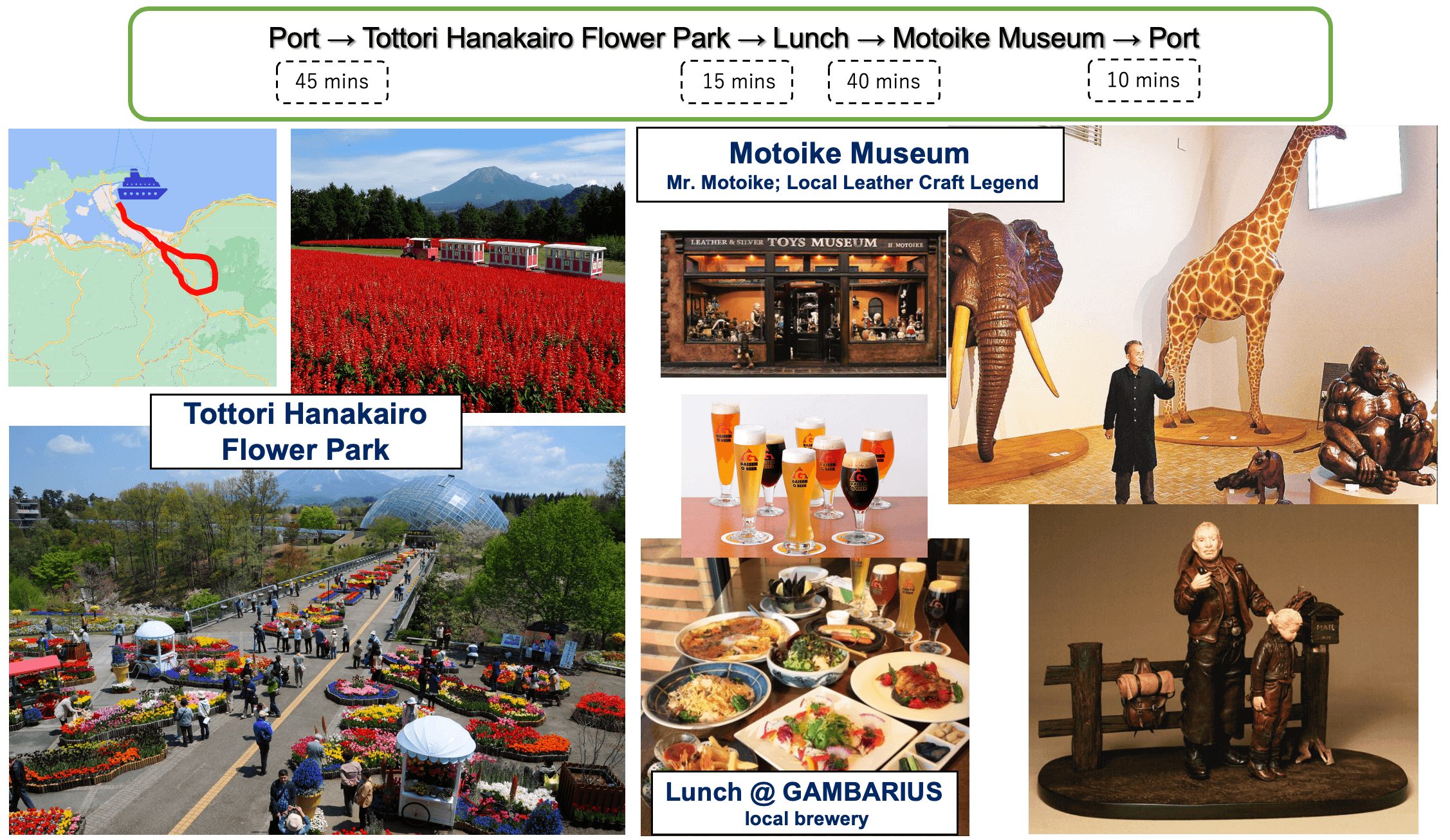
Tottori Hanakairo – Flower Park
- 42km
- 50-60mins / ¥12,000-17,000
- Order Request
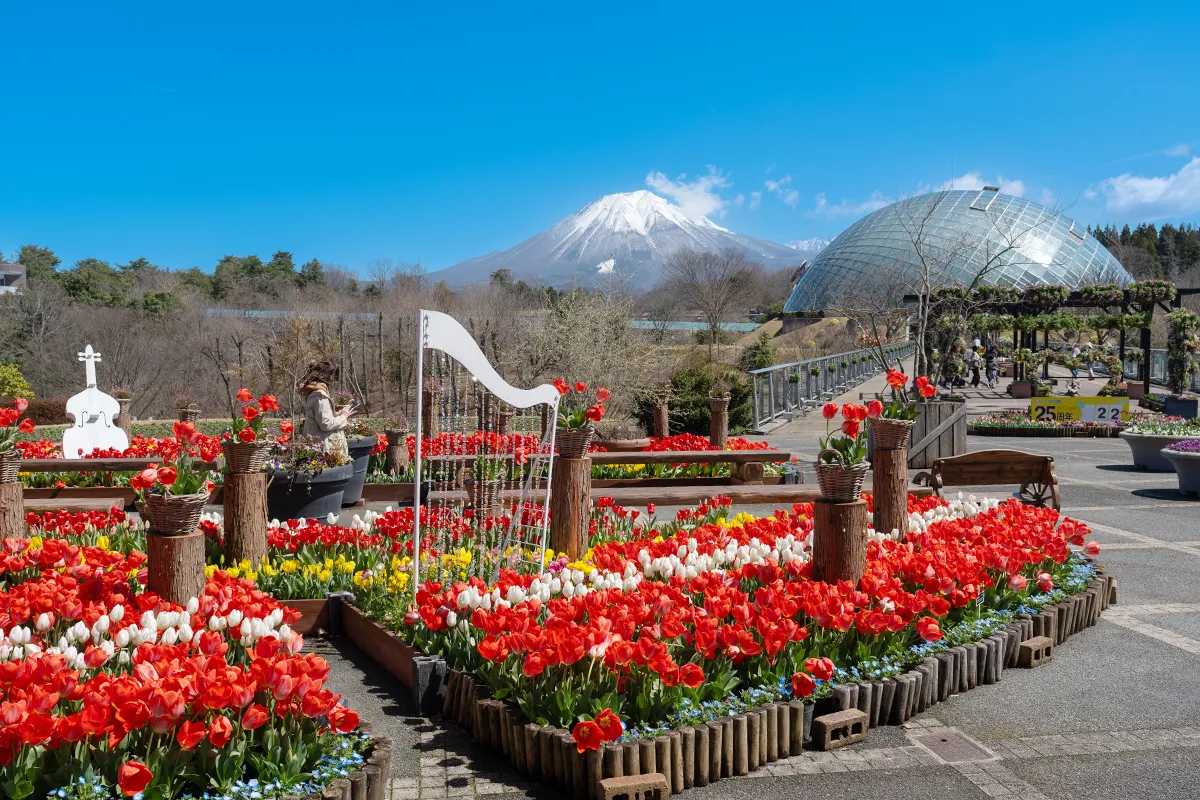
Tottori Hanakairo is one of the largest flower park in Japan, measuring about 50 ha with a covered observation platform
measuring 1 km in length, an exhibition hall, and flowers and plants in bloom whatever the weather or climate. The main
flower of Tottori Hanakairo is the yuri, a Japanese lily, which is in bloom all year round. This is the only facility in the whole of Japan that has 15 varieties of wild lily on show.
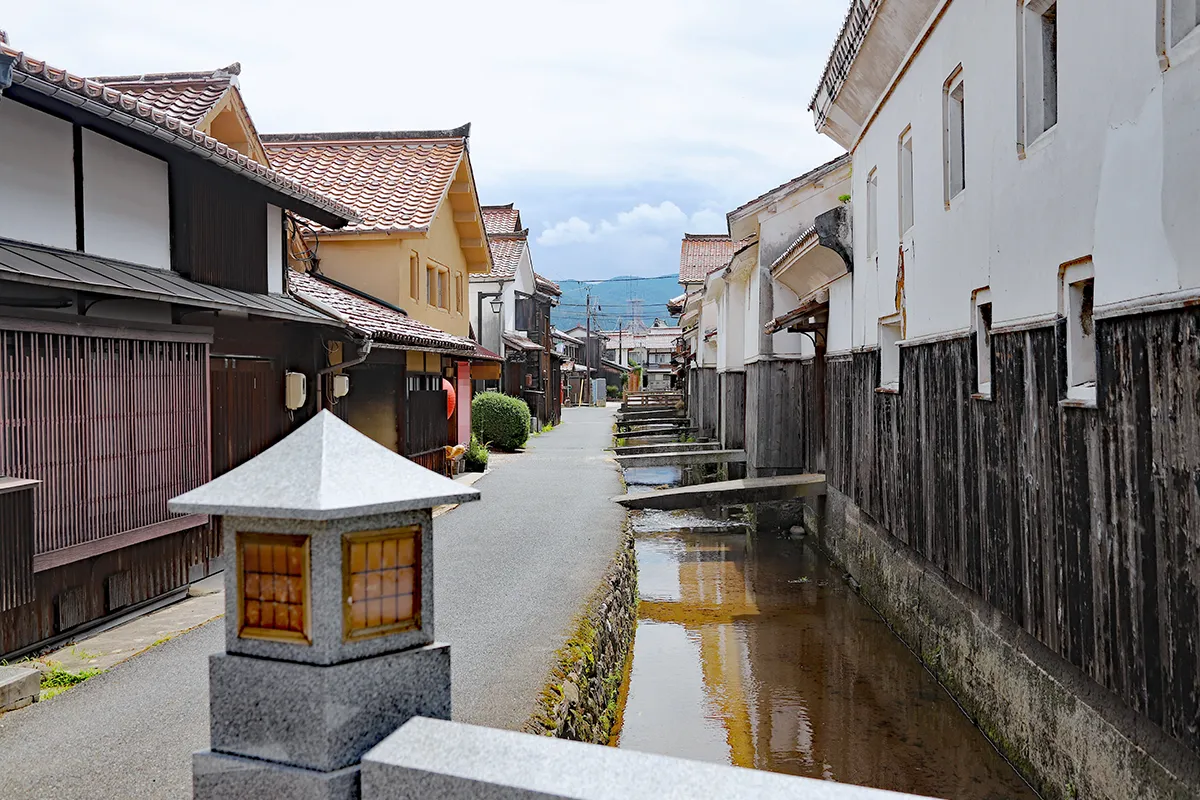
Shirakabe Dozogun streets / Akagawara
- 65km
- 80-90mins / ¥22,000-25,000
- Order Request
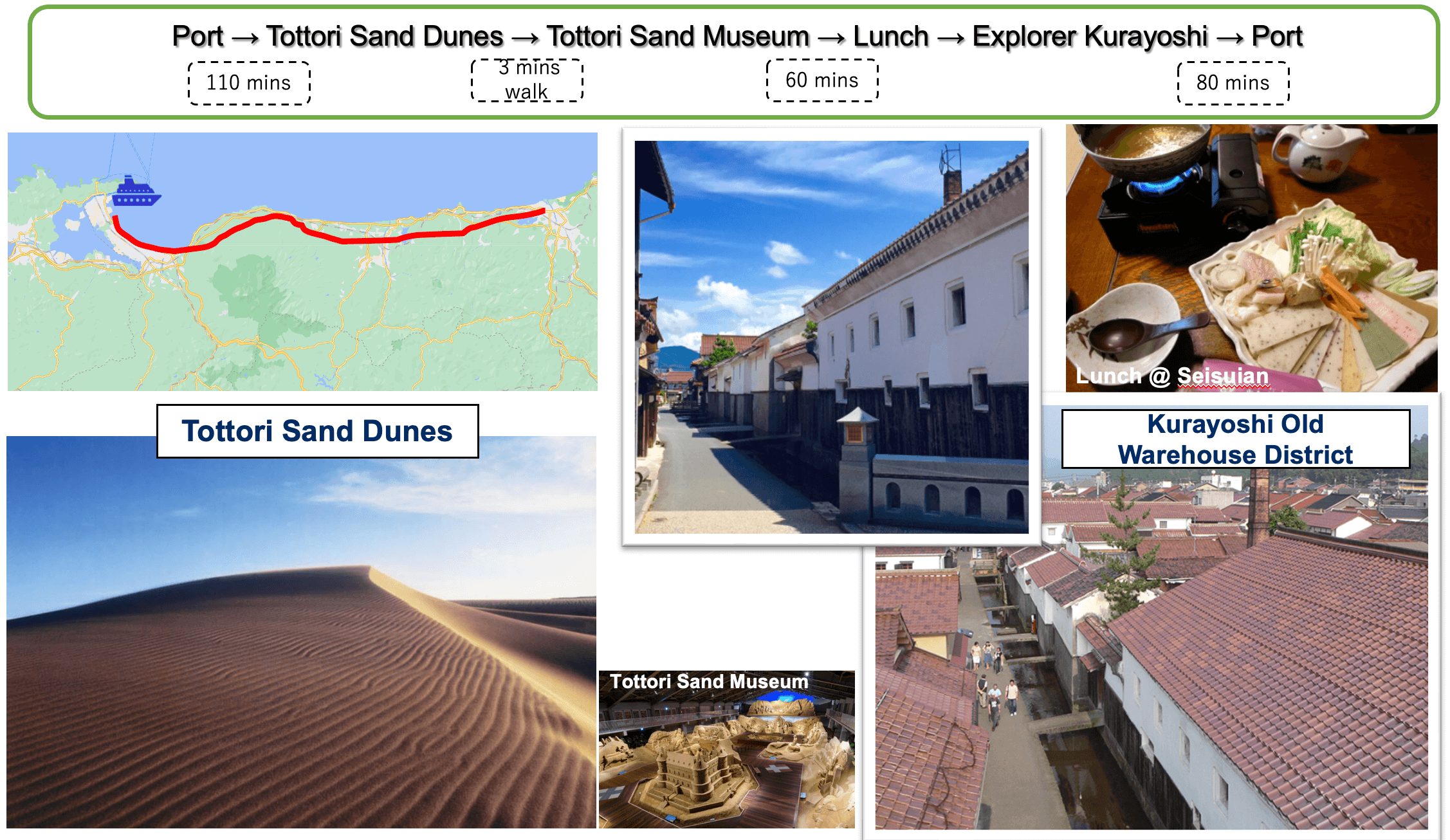
The old earthen white-walled storehouses and merchant houses that were constructed in the Edo and Meiji Periods are
strongly reminiscent of a bygone age. Many of the storehouses and its structure have red-tiled roofs and white plastered
walls accented by black burnt cedar wood beams- one of the most striking features of Kurayoshi City. In Akagawara, there
are 14 structures with perfectly preserved exteriors, whereas the inside has often been renovated and fitted out as gift stores, doll workshops, bamboo ware galleries, sake stores, local speciality shops, etc.
Hosshoji Onsen / Nanbu Town
- 33-36km
- 45-50mins / ¥11,000-13,000
- Order Request
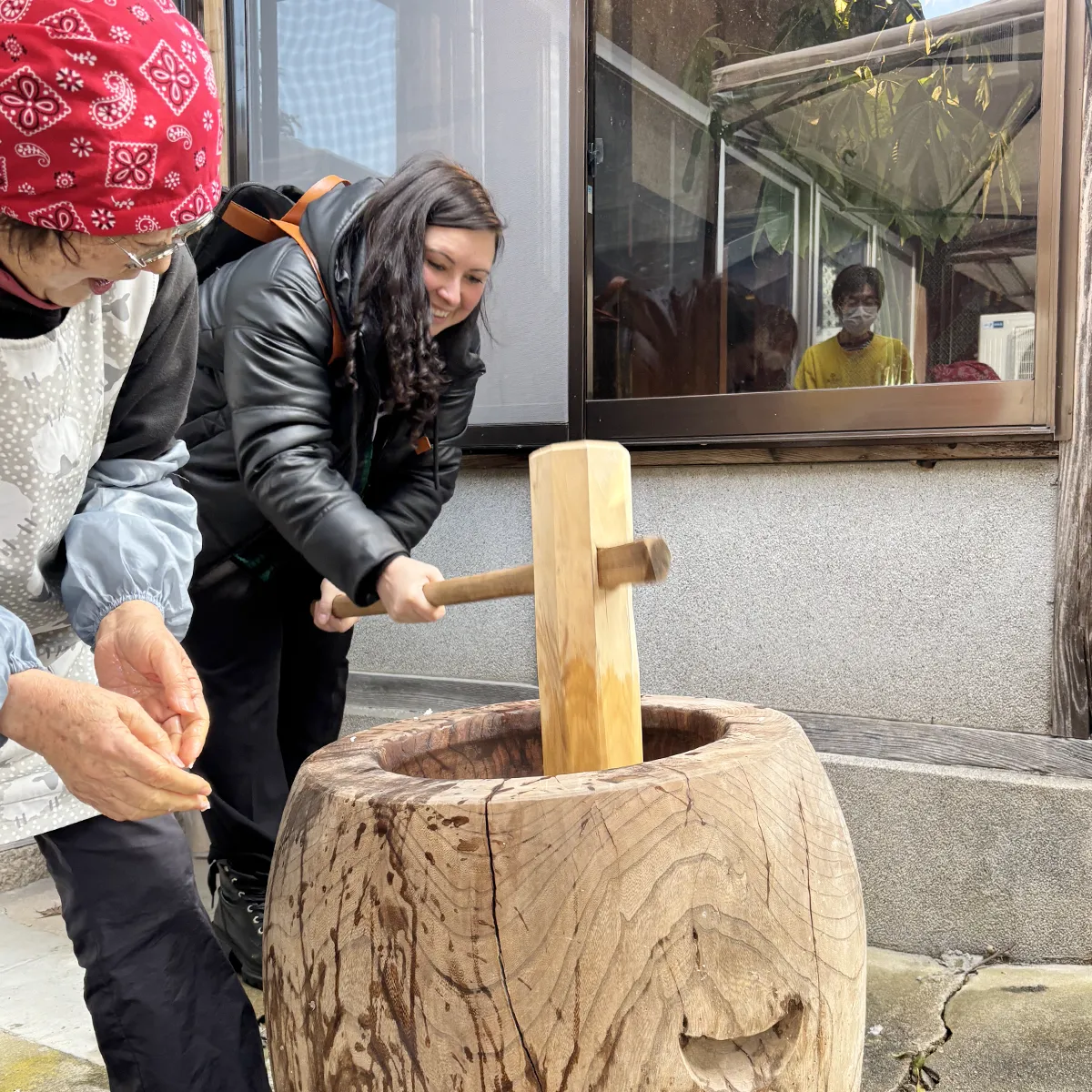
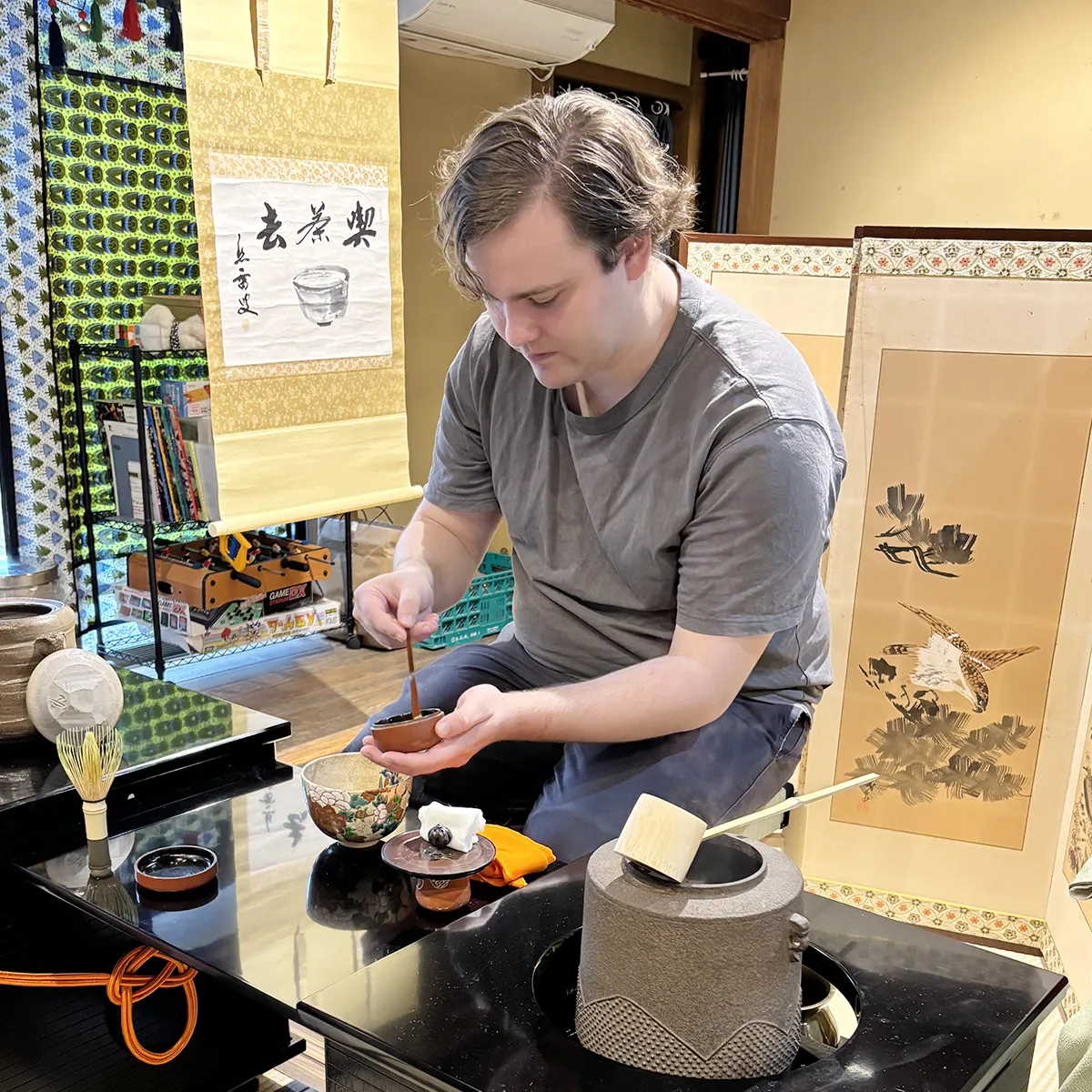
In Nanbu Town, you can enjoy experiences such as vegetable harvesting and cooking local cuisine. For example, “mochi pounding” and “zenzai with fruit” are popular. You can even try “nagashi soba” —flowing soba served with freshly harvested vegetables— or enjoy “bento” lunch under the cherry blossoms. The bamboo tableware used during the experience, such as cups and dishes made from local bamboo, is later reused as bamboo chips, contributing to the SDGs. Spending time interacting with people in the countryside who value Japanese culture, such as experiencing a tea ceremony while seated in a chair, is a very meaningful experience that helps calm your mind.
Also, Hosshoji Onsen is a natural hot spring facility that opened in 2022 in Nanbu Town, Tottori Prefecture. Our slightly alkaline water—drawn from 1,200 meters underground—is smooth and gentle on the skin, helping to relieve fatigue and enhance your skin’s beauty. Based on our concept of “GOCHAMAZE” —a welcoming “jumble” where gender, age, disabilities, or nationality never matter— we offer a warm, cozy atmosphere that makes you feel at home. There are no restrictions for guests with tattoos; as long as you bathe with kindness toward others, you’re free to relax and enjoy your time!!
Sample Excursion
Sample Excursion 1
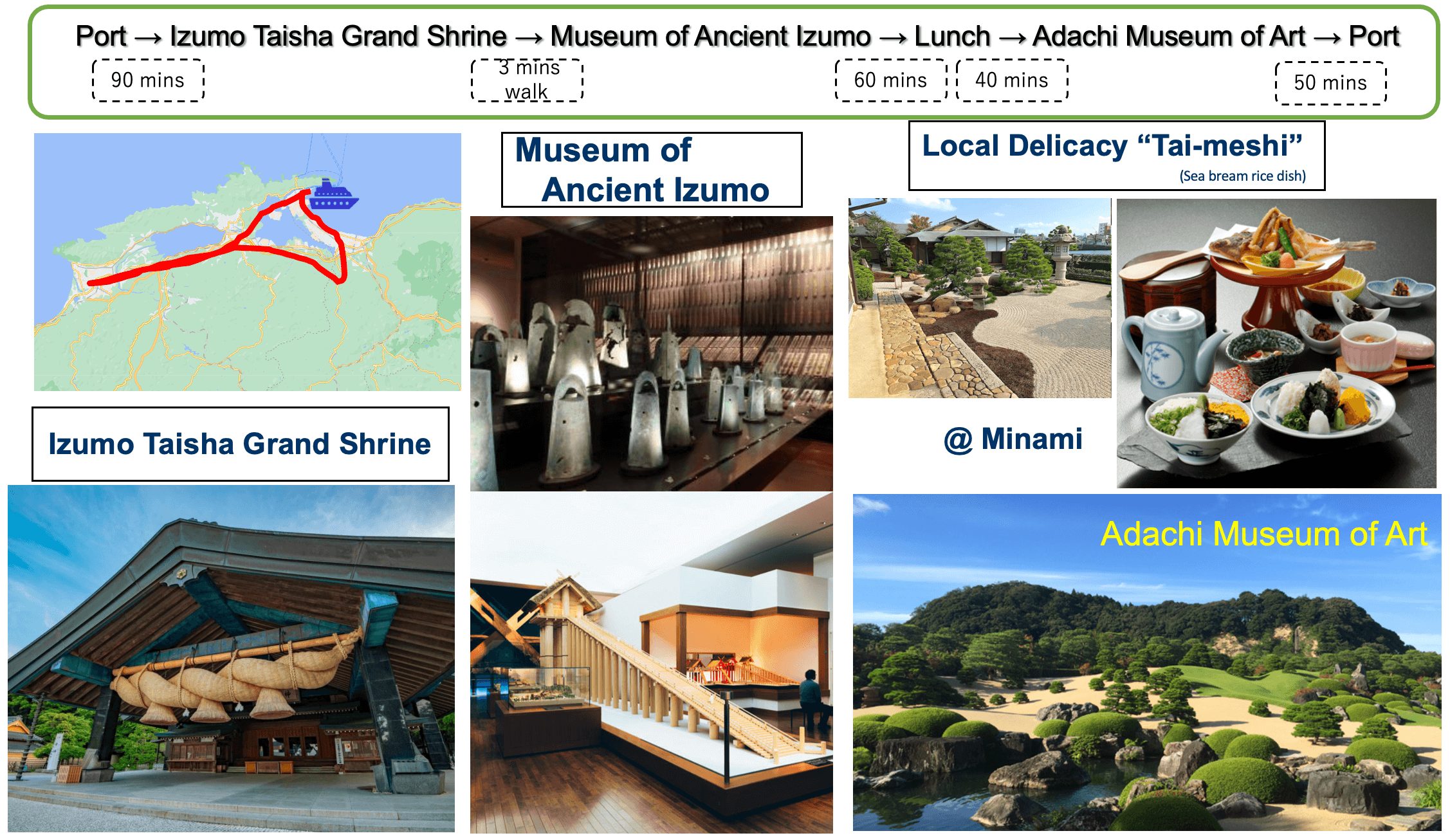
Ancient Izumo; Home of Japanese Mythology and Grand Shrine
Sample Excursion 2
Matsue Castle and Adachi Museum of Art
Sample Excursion 3
Nostargic Mihonoseki and Yuushien Garden
Sample Excursion 4
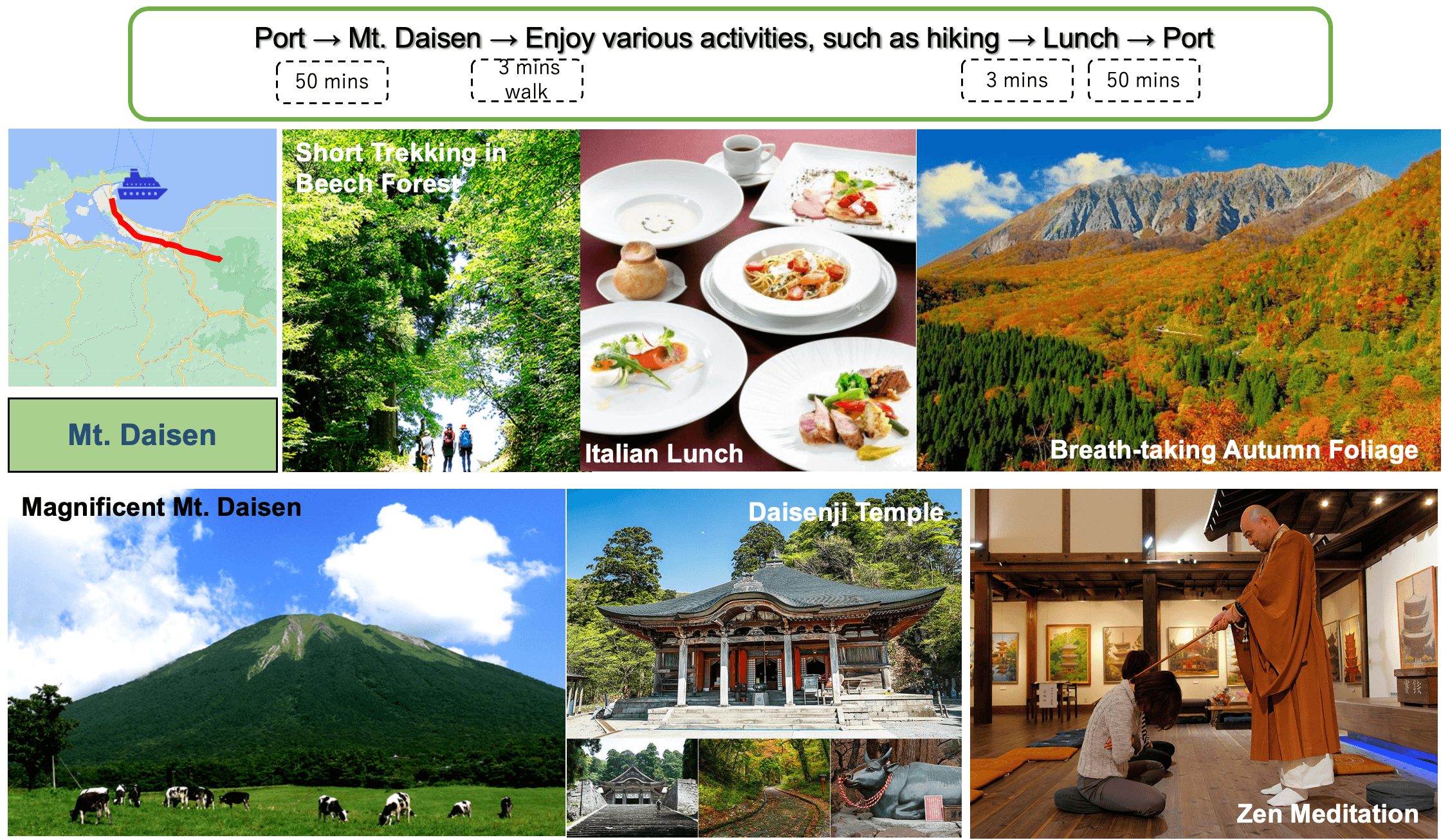
Enjoy the Blessing of Nature; Mt. Daisen
Sample Excursion 5
Tottori Flower Park and Lunch at Local Brewery
Sample Excursion 6
Tottori Sand Dunes and Sand Museum

Minato Sakai Community Center (3F),
215 Taisho-cho, Sakaiminato City,
Tottori Prefecture, 684-0004 JAPAN